
Can You Listen to Subliminals While Sleeping?
Yes, you can listen to subliminals while sleeping, and it is generally fine as long as the volume is low and the audio does not disturb your sleep. The honest catch is that your brain processes very little spoken language once you are deeply asleep, so the minutes while you drift off matter far more than the hours after.
That is not a reason to give up on sleep subliminals. It is a reason to use them a little differently. Here is what sleep research actually shows, and how to set up a night of listening that helps instead of hurts.

What happens to sound while you sleep
Your ears never switch off. Sound keeps reaching your brain all night, which is why an alarm or someone saying your name can wake you while the hum of traffic does not. What changes is how much of that sound gets turned into something you can remember.
Sleep is also not one single state. Through the night you cycle through light sleep, deep slow-wave sleep, and REM sleep, the stage where most vivid dreaming happens. Researchers have found that what your brain does with sound depends a lot on which of these stages you are in.
What sleep learning research shows
The dream of learning in your sleep, sometimes called hypnopedia, was hugely popular in the mid-twentieth century. Then, in the 1950s, researchers began using EEG to confirm whether their volunteers were truly asleep when words were played. When they did, people could not recall the words, unless the recording showed they had briefly drifted back toward waking.
Modern studies are more nuanced, and more interesting. In 2012, a team at the Weizmann Institute paired tones with pleasant or unpleasant smells while people slept. Afterwards, the tones alone changed how deeply the sleepers sniffed, and the effect carried over into the next day, even though nobody remembered learning anything (Arzi et al., Nature Neuroscience).
In 2017, researchers in Paris played repeating patterns of noise to sleeping volunteers and tested them in the morning. Patterns heard during REM and light sleep were recognized better afterwards. Patterns heard during deep sleep were not, and they were even harder to learn later, as if deep sleep had cleared them away (Andrillon et al., Nature Communications).
And in 2019, a study in Bern found that people napping in deep sleep could form a faint link between made-up foreign words and real ones, but only when the words landed at precise peaks of the brain's slow waves. The learning showed up afterwards as better-than-chance guessing, not as remembering (Züst et al., Current Biology).
Put together, the picture is fairly clear. The sleeping brain can pick up simple sounds and associations under the right conditions. There is no good evidence that it takes in whole sentences and their meaning the way you do when you are awake. A subliminal is made of whole sentences, usually tucked under noise, so expecting affirmations played at 3 a.m. to quietly rewrite your beliefs is asking a lot of your brain.

The window that does matter
The time just before you fall asleep is a different story. As you drift off, you pass through hypnagogia, the drowsy, dreamlike edge of sleep where you can still hear and follow words but your inner critic has gone quiet. It is the same window Neville Goddard pointed to with his SATS method, and it is where a sleep subliminal can do its real work.
So think of a sleep subliminal as something you fall asleep to, not something that works on you all night. The affirmations you hear and half-follow in those last ten or twenty minutes are the ones most likely to stay with you. That also means the words matter. Choose lines you genuinely want to believe, and for the first few nights, consider keeping the voice audible rather than fully masked so you know exactly what you are falling asleep to.
How to set up a sleep subliminal
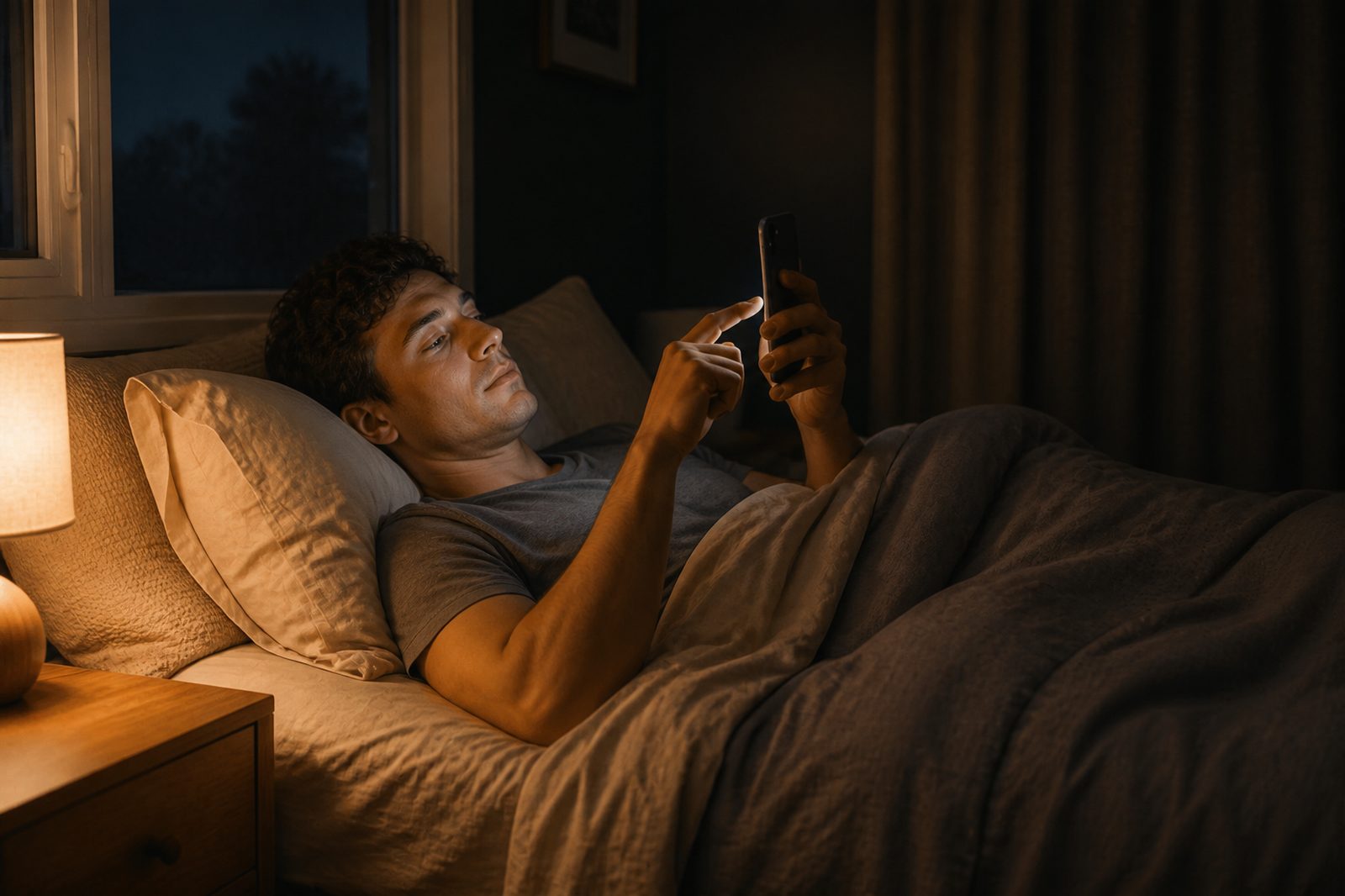
Start with volume. Keep it low, just loud enough to hear over the room. If you sleep in headphones, Cleveland Clinic suggests keeping the volume at about half or lower, quiet enough that someone nearby could still talk to you. If the voice keeps pulling you back awake, it is too loud or too clear.
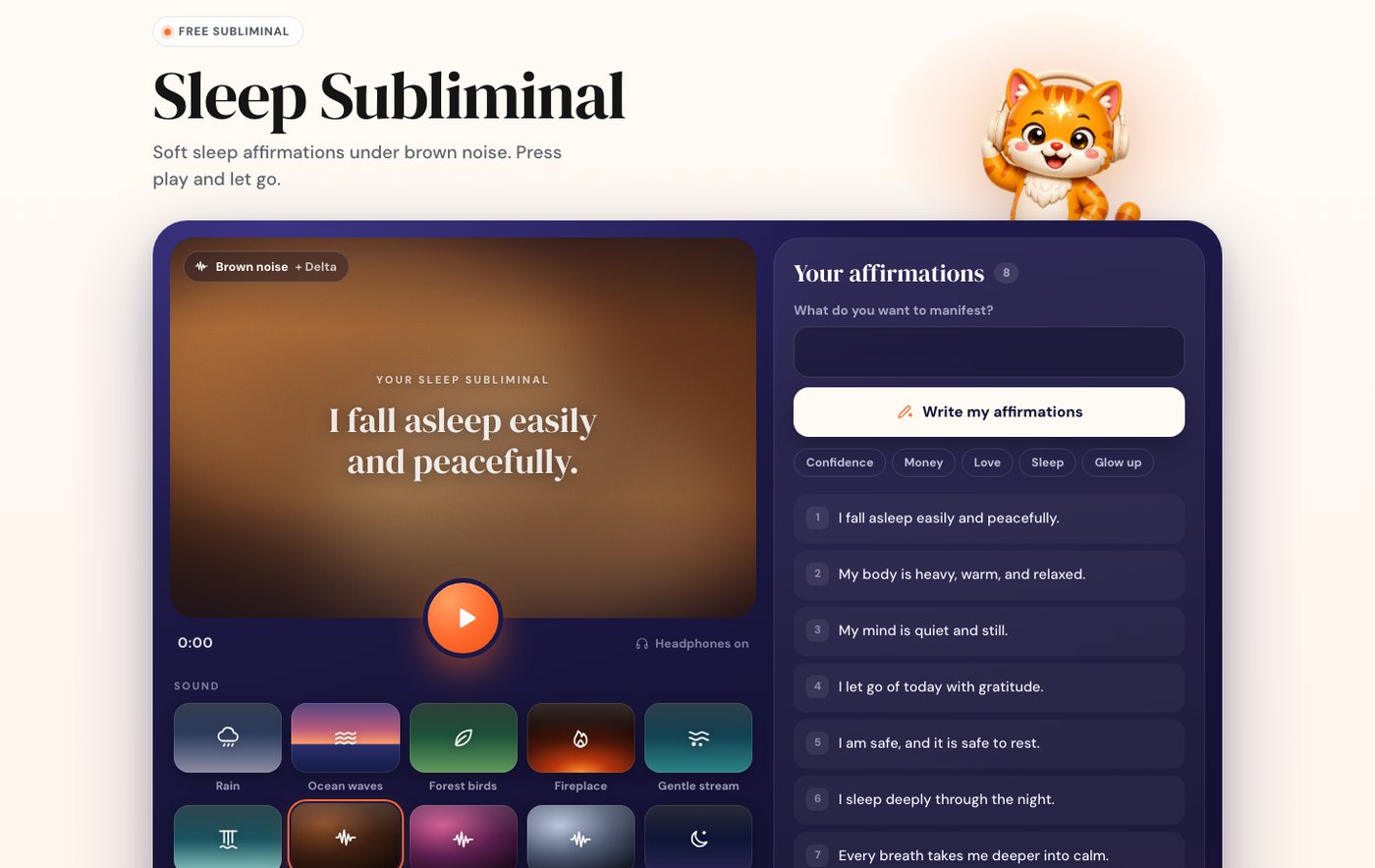
Pick a steady background. Brown noise, rain, or a fan sound mask a voice well and give your brain nothing surprising to react to. Skip tracks with sudden chimes, swells, or a voice that rises and falls dramatically, because changes in sound are what tend to wake people.
Use a timer. Since the falling-asleep window is the part that counts, there is little reason to play audio until morning. A timer of 30 to 60 minutes covers the drift-off period and then leaves you in quiet.
Think about what goes in your ears. A small speaker on the nightstand is the simplest option and avoids the problem entirely. If you share a room and need headphones, side sleepers usually do better with soft headband-style sleep headphones than with earbuds, which can press into the ear and get uncomfortable overnight. Turn off noise cancelling so you can still hear an alarm or someone calling you.
Know when headphones are required. Binaural beats, including the delta beats often added to sleep tracks, only work through headphones, because each ear has to receive a slightly different tone. On a speaker you just hear a soft hum. If you would rather not sleep in headphones, simply leave the binaural layer off. The affirmations and background sound work fine on a speaker.
Above everything, protect your sleep. If you wake up groggy, catch yourself straining to hear the words, or lie awake longer than usual, turn it down, shorten the timer, or move your listening earlier in the evening. A good night of sleep does more for your mood and focus than any audio track, so if the subliminal is costing you rest, it is not worth it. And if you struggle with sleep most nights, that is worth raising with a doctor.
What to say in a sleep subliminal
Bedtime affirmations work best when they are calm, short, and about the night itself or the feeling you want to wake up with. "I am safe, and it is safe to rest." "My body is heavy, warm, and relaxed." "I wake up rested and refreshed." Lines like these slow you down instead of revving you up.
Big goals can come along too, just gently. A wall of intense money or career lines at 11 p.m. can keep your mind busy right when you want it to settle. Two or three soft lines about the life you are building, mixed in with sleep lines, fit the moment better. If you want ideas, our list of subliminal affirmations by goal has sets for sleep, calm, love, and more.
Try one tonight
The easiest way to test all of this is the free sleep subliminal in our online maker. It plays soft sleep affirmations under brown noise with an optional delta layer for headphone listeners. You can edit every line, switch between Masked and Audible, and set the sleep timer so it stops on its own. In the browser, the tab needs to stay open with the screen on.
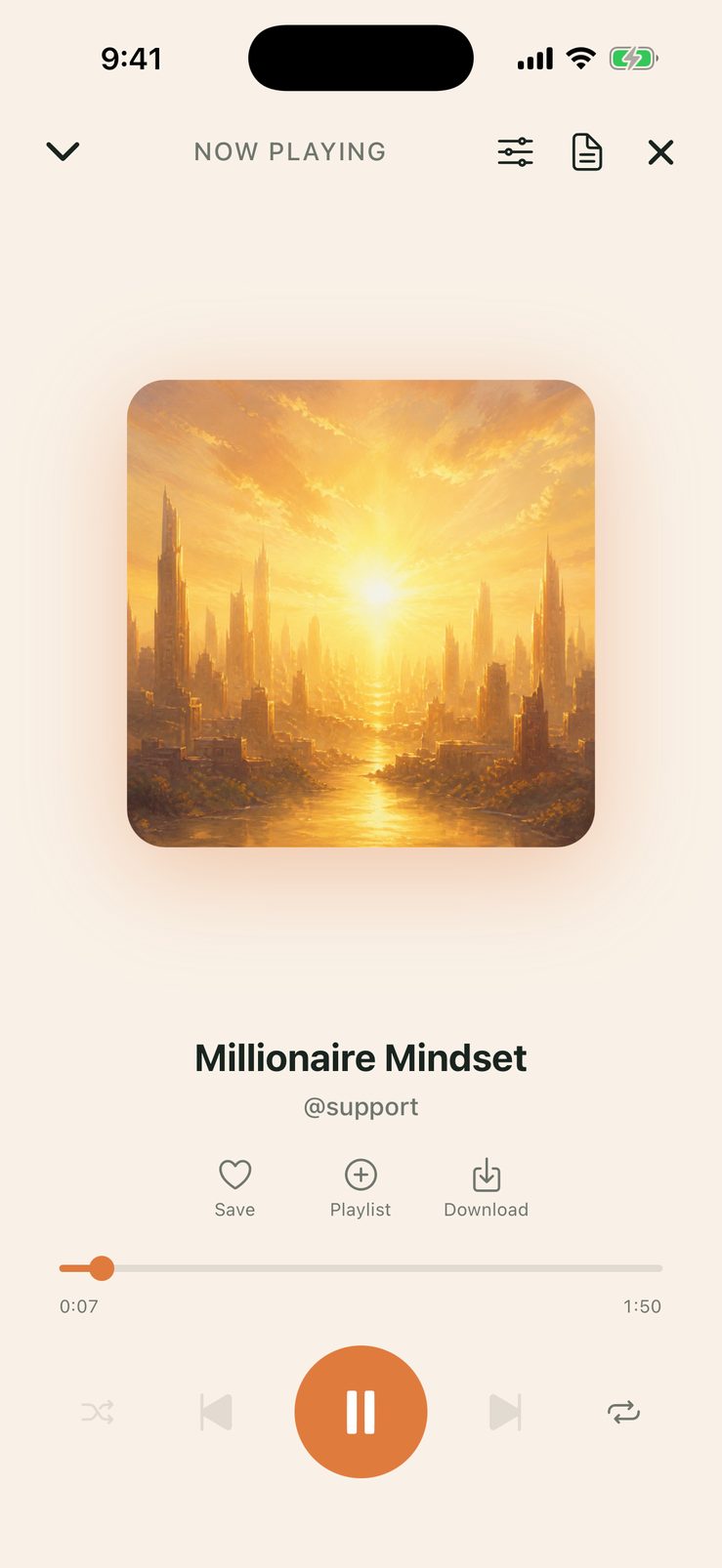
For nights when you want your phone locked on the nightstand, the SelfStudio app plays your subliminals with the screen off. You type your goal in one sentence, and it writes the affirmations, reads them in a natural narration voice, and mixes them under the background sound you choose.
Keep the voice low under a steady sound, then let yourself drift off.
So yes, play your subliminal as you fall asleep. Keep it quiet, keep it steady, put it on a timer, and let the drowsy minutes before sleep do the work.
If you want it ready every night without setup, try SelfStudio on the App Store.